- In our fast-paced world,
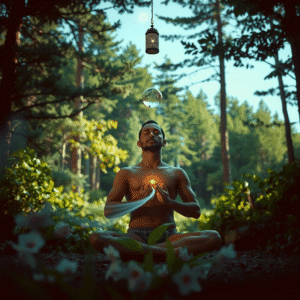 achieving mental clarity and inner peace is more important than ever. Many of us are constantly juggling multiple responsibilities, which can lead to stress and overwhelming feelings. Mindfulness techniques offer a practical solution to regain control over our minds and focus on the present moment. In this blog post, we will explore seven effective mindfulness techniques that not only enhance mental clarity but also promote a profound sense of inner peace.
Understanding Mindfulness
Before diving into the techniques, it’s essential to understand what mindfulness truly means. Mindfulness is the practice of being fully present in the moment, aware of your thoughts, feelings, and surroundings without judgment. It enhances self
- awareness and helps you respond to challenges with greater clarity and composure.
- Focused Breathing
What is Focused Breathing?
Focused breathing** involves paying attention to your breath as a means to anchor your thoughts and regain focus. It’s a simple yet powerful mindfulness technique.
How to Practice Focused Breathing:
- Find a comfortable position: Sit or lie down in a quiet space.
- Close your eyes: Gradually bring your awareness to your breath.
- Breathe deeply: Inhale slowly for a count of four, hold for a count of four, and exhale for a count of four.
- Repeat: Continue for several minutes, allowing distractions to come and go without attachment.
- Body Scan Meditation
What is Body Scan Meditation?
body scan** is a guided practice in which you mentally scan your body for signs of tension and release it. This helps you connect with your physical self while promoting relaxation.
How to Perform a Body Scan:
- Lie down comfortably: Ensure you are in a quiet and relaxing environment.
- Close your eyes: Begin by taking a few deep breaths.
- Mentally scan your body: Start at the top of your head and slowly work your way down to your toes, noticing areas of tension.
- Release tension: As you focus on each part, consciously relax it and visualize warmth flowing through.
- Mindful Observation
What is Mindful Observation?
Mindful observation** allows you to engage your senses fully and appreciate your surroundings. This can be done anywhere, whether you’re outdoors or inside your home.
How to Practice Mindful Observation:
- Choose a focal point: it could be a flower, a piece of art, or even a busy street.
- Observe closely: Take a few minutes to notice all the details, colors, and movements.
- Engage your senses: What do you see, hear, smell, or feel in this moment?
- Stay present: Whenever your mind wanders, gently bring your focus back to your observation.
- Journaling for Clarity
What is Mindfulness Journaling?
Mindfulness journaling** involves writing down your thoughts and feelings to cultivate clarity and understanding. This technique allows you to process emotions and set intentions.
How to Start Mindfulness Journaling:
- Set aside time: Dedicate 10-15 minutes each day.
- Choose a quiet place: Find a comfortable area free from distractions.
- Write freely: Let your thoughts flow without worrying about grammar or structure. Consider prompting questions like:
- What am I grateful for today?
- What challenges did I face, and how did I respond?
- Reflect: After journaling, read through your entries to gain insights.
- Walking Meditation
What is Walking Meditation?
Walking meditation** is a mindfulness practice that combines movement with awareness. It helps ground you in the present while promoting physical health.
Steps to Practice Walking Meditation:
- Find a quiet space: Look for a place where you can walk undisturbed.
- Start slowly: Walk at a comfortable pace, focusing on each step.
- Synchronize breath and movement: Inhale for a few steps and exhale for a few steps.
- Engage with your environment: Notice the feel of the ground under your feet, the sounds around you, and your body’s movements.
- Gratitude Practice
Why Gratitude Matters
Gratitude** cultivates a positive mindset and helps shift your focus from what you lack to what you have. This can significantly enhance mental clarity and overall well-being.
How to Incorporate Gratitude:
- Daily gratitude list: Write down three things you are grateful for each day.
- Gratitude jar: Use a jar to collect notes highlighting special moments or experiences.
- Reflect regularly: Take time to read through your gratitude lists or jar now and then to reinforce positivity.
- Guided Mindfulness Meditation
What is Guided Meditation?
Guided mindfulness meditation** involves a facilitator or a recorded session to lead you through the practice, making it accessible for beginners.
How to Access Guided Meditations:
- Explore resources: Search for apps or websites that offer free guided meditations (e.g., Headspace, Calm, Insight Timer).
- Find a suitable session: Choose based on your preferences, whether you need stress relief, focus, or relaxation.
- Commit to regular practice: Schedule sessions several times a week, gradually building your practice.
Conclusion
Incorporating mindfulness techniques into your daily routine can unlock profound inner peace and enhance mental clarity. Whether you are focused on deep breathing, mindfulness journaling, or gratitude practices, these techniques empower you to take control of your mind and emotions. Start small, choose a few methods that resonate with you, and commit to practicing them regularly.
Remember, mindfulness is a journey**, and with each step, you are on your way to a more peaceful, clear-minded life. Embrace the process, and watch as your mental clarity blossoms!
Hey there everyone! If you’re working to figure out what season you are, knowing your skin tone and undertones is crucial. For example, if you have fair skin with yellowish undertones, you might realize that warm autumn hair colors or a cool deep summer color palette really suit you. Using aids like color season tests or an internet color analysis can help identify whether you fit into categories like soft autumn, dark winter, or light spring, making it less difficult to pick the best makeup and clothing colors.
Also, working with virtual hair color try-on apps or hair dye simulators can be exceptionally helpful before going with a new look. If you want a fast, costless seasonal color analysis or a color palette test to get started, see cold winter color palette — it presents a uncomplicated way to find your personal color season and browse trendy 2026 hair color ideas that complement your natural tones.
Identifying the right foundation shade can be challenging, especially when examining the array of skin tones like lighter olive, olive-colored skin, or yellow undertones. A solid start is to identify your skin’s undertone—whether it’s blue, golden, or neutral—and then hunt for foundations that enhance those shades. If you’re struggling to find your foundation shade, options like online color palette analysis or available color analysis tests can be very valuable for coordinating both makeup and clothing colors to your distinctive style.
Also, grasping your seasonal color palette (vibrant, summertime, fall, cold) can make a tremendous difference in how your makeup and attire look on you. You can discover quizzes for “which is my color season” or “color palette quiz” online to get custom recommendations. For a electronic try-on experience, hair color simulators and foundation shade finders give a reliable way to experiment before buying. Explore this resource for more extensive guidance skin color tone chart .